

Sustainable packaging has become a fundamental business strategy, particularly for design-centric brands. The challenge now is to unify sophisticated aesthetics with environmental accountability.
Companies are reimagining packaging as a responsibility, not just a necessity, by addressing waste, pollution, and emissions. Sustainable packaging now drives innovation and value by reducing harm, cutting costs, and building trust, making it a central force in redefining business priorities.
At OH! Design Studio, our perspective on sustainable packaging goes beyond visual appeal. We view packaging as a strategic touchpoint, clearly communicating brand values and building trust to signal a company’s commitment to sustainability.
Understanding Sustainable Packaging: Beyond Materials
Sustainable packaging minimises environmental impact throughout its lifecycle. It does this by reducing material use, promoting reuse, enabling efficient recycling, and supporting renewal with biodegradable or compostable materials.
At its core, sustainable packaging is often misunderstood as simply “eco-friendly materials.” While materials are important, the concept goes much deeper. It covers the entire lifecycle of a package from raw material extraction to manufacturing, transportation, usage, and eventual disposal or reuse.
A truly sustainable solution considers how packaging interacts with the broader system. For instance, a biodegradable package may sound ideal. However, if it requires industrial composting facilities that are not widely available, its real-world impact diminishes. Similarly, recyclable packaging only works if it is actually recycled within existing infrastructure.
Designers must think in systems, not just single objects. Packaging is part of a larger ecosystem that includes supply chains, consumer behaviour, and waste management.

The Shift Toward Circular Design Thinking
The circular economy is transforming sustainable packaging by keeping materials in use, unlike the traditional linear approach of using and disposing of them.
In packaging design, this means designers create solutions that people can reuse, refill, recycle, or compost efficiently. Brands increasingly design packaging that returns to the manufacturer, transforms into something new, or decomposes without leaving harmful residues.
This shift requires companies to rethink ownership and responsibility. Companies now take on more than just selling products; they act as custodians of the materials they introduce into the world. Packaging, in this sense, becomes part of an ongoing relationship rather than a one-time transaction.
Material Innovation: The Rise of Alternatives
Material innovation is a prominent aspect of sustainable packaging. Designers and scientists are partnering to develop alternatives that lower environmental impact without sacrificing performance.
Bioplastics from plant-based sources, mushroom-based packaging, seaweed films, and agricultural waste fibers are examples of nature-derived materials transforming the industry. These materials aim to replicate plastic’s protective properties while offering improved end-of-life solutions.
However, innovation requires careful evaluation. Not all substitutes are truly sustainable. The origin of raw materials, energy used in manufacturing, and scalability are critical in assessing their overall effects.
Design for Minimalism: Less is More
Another core principle in sustainable packaging design is reduction. Often, the most effective approach is not to substitute materials but to minimise their use.
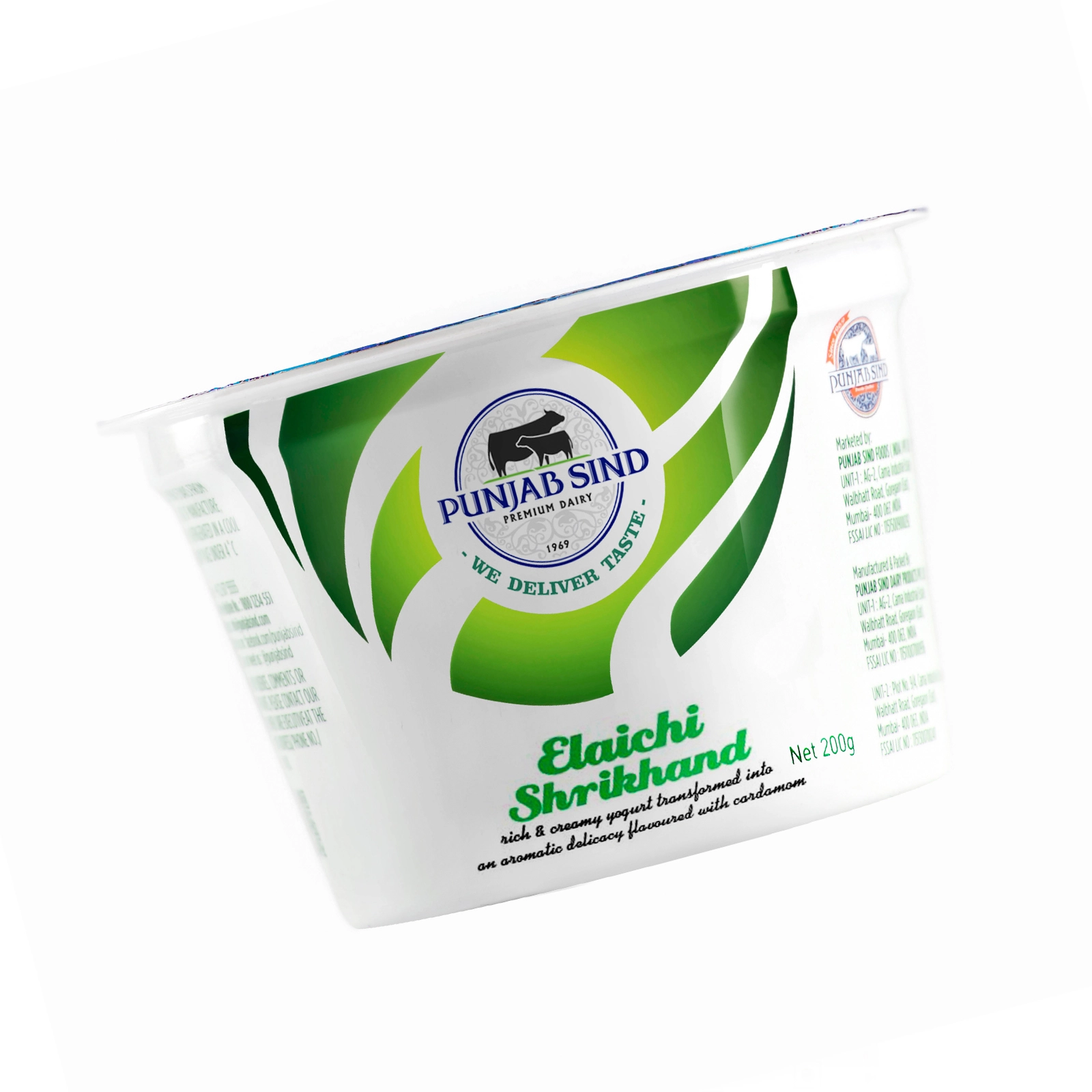
Minimalist packaging eliminates superfluous layers, reduces weight, and streamlines form. This approach not only lowers material use but also cuts transport emissions from lighter shipments.
Designers increasingly adopt simplicity not only for aesthetics but also for ethics. Clear, streamlined packaging signals transparency and accountability, resonating with contemporary consumer values.
Consumer Behavior: The Missing Link
Packaging that looks perfect on paper can fail if it does not align with real consumer behaviour. Sustainability is not just a design challenge; it is a behavioral one.
Consumers must correctly sort and dispose of recyclable packaging. The success of reusable systems hinges on a willingness to return or refill items. For compostable materials, proper disposal conditions are essential.
At this point, design goes beyond form and function, extending into communication. Packaging should not demand effort or cause confusion; clear labelling, intuitive usability, and education must gently guide consumers toward sustainable actions.
Technology and Smart Packaging
Technology increasingly drives breakthroughs in sustainable packaging. Smart packaging systems not only track usage but also actively enable returns and provide instant information about disposal.
Building on these smart systems, digital tools like QR codes empower consumers to understand packaging lifecycles, while advanced analytics drive companies to optimise material use and cut waste.
Furthermore, in some cases, technology enables entirely new business models, such as subscription-based refill systems or packaging-as-a-service platforms. These innovations move beyond incremental improvements and create fundamentally different ways of interacting with packaging.
Challenges in Implementation
Despite recent progress, sustainable packaging must overcome persistent challenges. Cost remains a major obstacle, particularly for small and medium-sized businesses. Sustainable materials continue to demand higher prices than conventional options.
Furthermore, infrastructure limitations also pose difficulties. Recycling and composting systems vary widely across regions, making it hard to design universally effective solutions.
In addition to these barriers, there is the challenge of greenwashing. As sustainability becomes a marketing trend, some companies make claims that are not fully substantiated. This undermines trust and makes it harder for genuinely sustainable solutions to stand out.
The Future of Sustainable Packaging
The future of sustainable packaging will depend on integrating diverse materials and technologies into unified, effective systems that maximise value.
Designers, manufacturers, policymakers, and consumers must collaborate. Stricter regulations will drive companies toward more responsible practices. At the same time, innovators will continue to discover new possibilities.
Sustainable packaging is about creating systems that deliver value, meet human needs, and protect environmental health.
FAQs: Sustainable Packaging Design Solutions
1. What makes packaging truly sustainable?
Sustainable packaging considers the entire lifecycle, including sourcing, production, transportation, usage, and disposal. It aims to minimise environmental impact at every stage, rather than focusing on a single aspect such as recyclability.
2. Is biodegradable packaging always better than plastic?
Not necessarily. Biodegradable packaging is only effective if it breaks down under real-world conditions. If it requires specialised industrial facilities that are unavailable, its benefits may be limited.
3. How can businesses transition to sustainable packaging?
The transition typically begins with auditing current packaging systems, identifying areas for reduction, exploring alternative materials, and aligning with supply chain capabilities. Gradual implementation often works better than sudden changes.
4. What role do consumers play in sustainable packaging?
Consumers are critical. Their behaviour determines whether packaging is reused, recycled, or wasted. Clear communication and intuitive design can help guide sustainable actions.
5. Are sustainable packaging solutions more expensive?
Initially, they can be. However, long-term benefits, such as reduced material use, improved brand perception, and regulatory compliance, often offset the costs.
6. What is the circular economy in packaging?
It is a system where materials are kept in use for as long as possible through reuse, recycling, and regeneration, rather than being discarded after a single use.
7. Can luxury brands adopt sustainable packaging?
Yes, and many are doing so. Sustainable design can enhance brand value by aligning with modern consumer expectations without compromising aesthetics or quality.
For more information, please visit ohdesignstudio.com and follow OH! Design Studio on LinkedIn, Facebook, Twitter, and Instagram.